
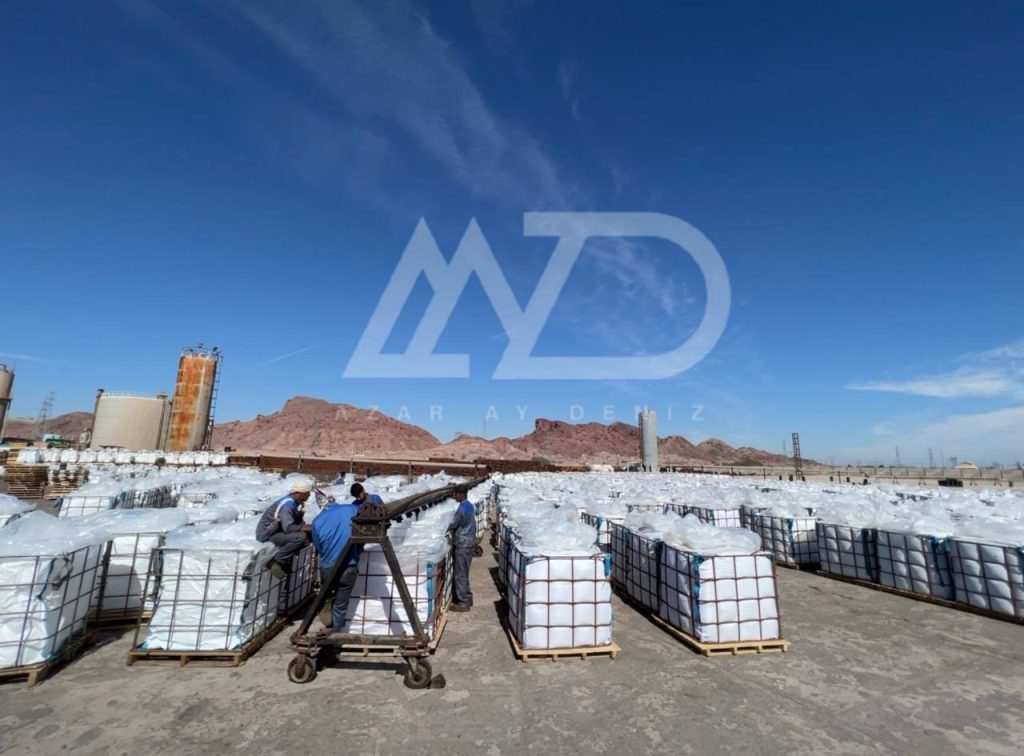
What Is a Bitobag? A Guide to Bitumen Jumbo Bags
A Bitobag is a specialized bag used for packing, transporting, and handling bitumen. It is designed to provide an alternative to traditional bitumen packaging methods, such as steel drums, for suitable applications. Depending on its design, a Bitobag may consist of a strong outer bag made from woven polypropylene (PP) fabric and a specially designed inner liner.
Bitobags are used in the road construction, asphalt production, and bitumen export industries. Their capacity, construction, and filling conditions depend on the specific product and the requirements of the end user.
How Does a Bitobag Work?
Bitobags are designed to hold bitumen during transportation and storage. In many applications, hot bitumen is filled into a specially designed bag and allowed to cool and solidify before shipment.
At the destination, the solid bitumen is reheated using suitable industrial equipment.
The handling process depends on the type of bag. Some systems use a meltable inner liner that is designed to melt with the bitumen under specified conditions, while others require the packaging to be removed before the bitumen is processed.
For this reason, buyers should confirm the liner material, filling temperature, and melting procedure before selecting a Bitobag.
What Are Bitumen Jumbo Bags Made Of?
A typical Bitobag or bitumen jumbo bag may include the following components:
- Outer PP Woven Fabric: Provides mechanical strength and supports handling and transportation.
- Specialized Inner Liner: Helps contain the bitumen and is selected according to the intended application.
- Lifting Loops: Allow the bag to be handled using compatible lifting equipment.
- Optional Reinforcement: Additional structural support may be incorporated when required by the design.
The exact construction varies between products. Not every standard FIBC is suitable for hot bitumen, so the complete bag system must be specified for the intended operating conditions.
Key Benefits of Bitobags
1. Efficient Transportation
Bitobags can simplify the handling of solidified bitumen in suitable supply chains. Their capacity and dimensions can help buyers plan container loading, road transportation, and warehouse operations.
2. An Alternative to Steel Drums
For appropriate applications, bitumen jumbo bags offer an alternative to conventional steel drums. The potential benefits include fewer individual packages to handle and different packaging and disposal requirements.
Actual savings depend on bag design, shipment volume, freight rates, equipment, and the handling process at the destination.
3. Convenient Handling
When designed with suitable lifting loops and a compatible handling system, Bitobags can be moved using appropriate forklifts or lifting equipment.
Handling procedures must follow the manufacturer’s instructions and the rated capacity of the complete packaging system.
4. Flexible Packaging Options
Bitumen packing bags can be manufactured in different dimensions and capacities, subject to technical requirements. Options may include different fabric weights, liner constructions, lifting-loop designs, and reinforcement systems.
What Is the Difference Between a Bitobag and a Standard Jumbo Bag?
A standard jumbo bag, also known as a Flexible Intermediate Bulk Container (FIBC), is commonly used to transport materials such as powders, granules, and other bulk products.
A Bitobag is designed specifically for bitumen-related applications. Its inner liner, outer fabric, and overall construction must be appropriate for the required filling, cooling, transportation, and unloading conditions.
A standard jumbo bag should never be assumed suitable for hot bitumen without confirmation from the manufacturer.
How Much Bitumen Can a Bitobag Hold?
The capacity depends on the product design and the manufacturer’s specifications. A capacity of 1,000 kg is used in some bitumen jumbo bag systems, while other designs may accommodate different quantities.
Before ordering, buyers should confirm the safe working load (SWL), bag dimensions, lifting configuration, and compatibility with their filling and handling equipment.
What Should Buyers Consider When Choosing Bitumen Packing Bags?
Before purchasing Bitobags or bitumen jumbo bags, consider the following factors:
- Required capacity and dimensions
- Bitumen filling temperature
- Inner liner material and melting characteristics
- Outer fabric strength and stitching quality
- Lifting-loop configuration and safe working load
- Cooling, storage, and transportation conditions
- Unloading and reheating procedures
- Relevant test reports and quality documentation
These details help ensure that the selected packaging is appropriate for the intended bitumen application.
Azar Ay Deniz: Jumbo Bags and PP Woven Fabric
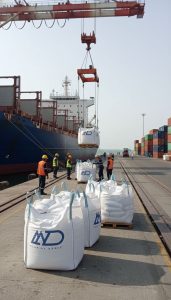
Azar Ay Deniz manufactures jumbo bags and polypropylene (PP) woven fabric for industrial packaging applications. The company focuses on fabric production, bag construction, stitching, and quality control to meet different customer requirements.
For bitumen-related projects, the required bag construction should be evaluated according to the intended filling temperature, liner specifications, load capacity, and handling procedure.
Customers looking for Bitumen Packing Bags, Bitumen Jumbo Bags, or customized FIBC solutions can contact Azar Ay Deniz to discuss their technical requirements and order specifications.
Conclusion
A Bitobag is a specialized packaging solution for transporting and handling bitumen. Depending on its design, it can offer practical advantages over conventional packaging methods.
Choosing the right product requires careful attention to the outer fabric, inner liner, filling temperature, load capacity, and handling procedure. Buyers should always verify the manufacturer’s specifications before using a bag for hot bitumen.
1. What is a Bitobag?
A Bitobag is a specialized bag designed for packing, transporting, and handling bitumen. Its construction may include an outer PP woven fabric bag and a specially designed inner liner.
2. What is a Bitobag used for?
Bitobags are used in the bitumen supply chain, particularly for transporting bitumen used in road construction and asphalt production.
3. What is the difference between a Bitobag and a standard jumbo bag?
A standard jumbo bag is designed for general bulk materials, while a Bitobag is specifically designed for bitumen applications and must meet the required thermal and handling conditions.
4. Can Bitobags be used for hot bitumen?
Yes, certain Bitobags are designed for hot bitumen. However, the permitted filling temperature depends on the bag construction, liner material, and manufacturer's specifications.
5. What is the maximum filling temperature of a Bitobag?
The maximum filling temperature varies by product design. Some bitumen packaging applications involve temperatures around 120°C, but buyers must confirm the approved operating temperature for their specific bag before filling.
