
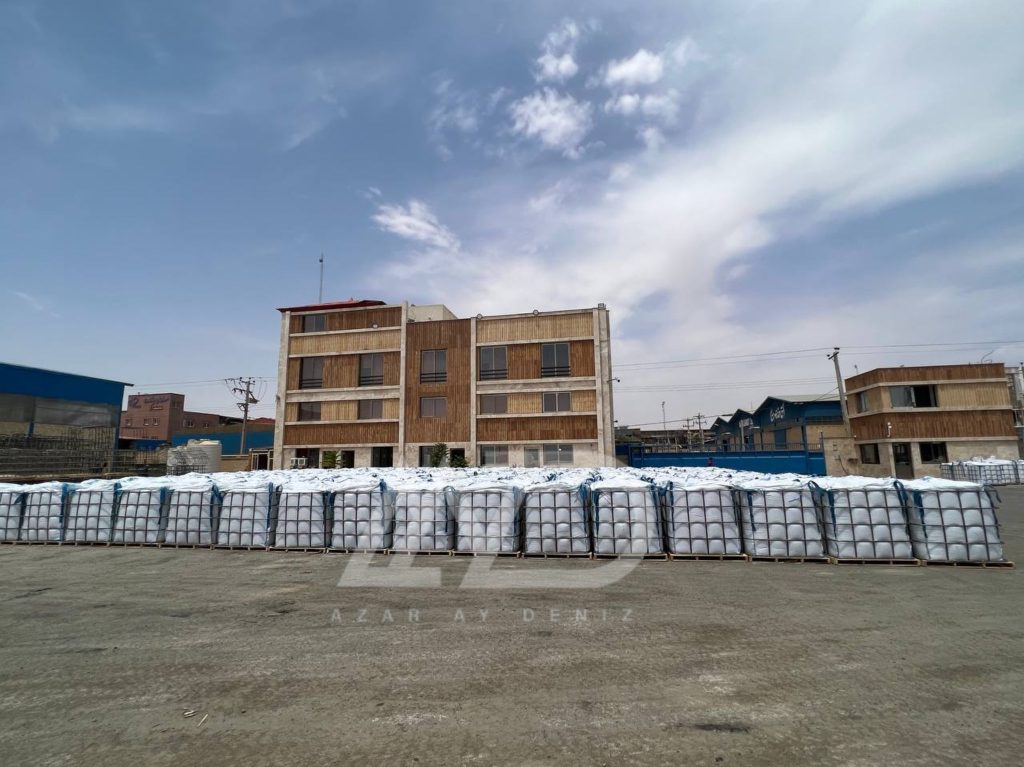
How Is Polypropylene Made? From Propylene to Jumbo Bag Raw Material
Polypropylene (PP) is one of the most widely used thermoplastics in industrial applications. It is produced by polymerizing propylene, a hydrocarbon obtained from petrochemical processes. After polymerization and processing, polypropylene is converted into granules that can be used to manufacture products such as PP woven fabric and Jumbo Bags (FIBC).
What Is Polypropylene Made From?
The main raw material used to produce polypropylene is propylene (C₃H₆). Propylene is obtained through petrochemical processes associated with petroleum refining and hydrocarbon conversion.
The production process can be simplified as:
Hydrocarbons → Propylene → Polymerization → Polypropylene → PP Granules
How Is Polypropylene Produced?
1. Propylene Production and Purification
Propylene is obtained from petrochemical processes and must be purified before entering the polymerization reactor. Removing impurities is important because certain contaminants can affect catalyst performance and the stability of the production process.
2. Polymerization of Propylene
The main step is polymerization. During this process, propylene molecules are joined together to form long polymer chains.
Industrial polypropylene production can use catalysts such as Ziegler–Natta or metallocene catalysts. The catalyst and process conditions influence the molecular structure and properties of the final polymer.
3. Industrial Polymerization
Polypropylene can be produced using different industrial processes, including gas-phase and bulk polymerization.
In gas-phase processes, propylene reacts in a reactor containing catalyst particles and polypropylene forms as solid particles. In bulk processes, liquid propylene acts as the reaction medium under controlled conditions.
Unreacted propylene can be separated and recycled in many industrial processes to improve production efficiency.
4. Producing Polypropylene Granules
After polymerization, the polypropylene is processed and prepared for its final form. The material can be melted and homogenized in an extruder before being cooled and cut into small, uniform PP granules.
These granules are used as a raw material for many plastic and industrial textile products.
How Is Polypropylene Turned Into PP Woven Fabric and Jumbo Bags?
PP granules are not directly used as finished Jumbo Bags. They are the raw material used to manufacture PP woven fabric.
First, polypropylene granules are melted and extruded into flat tapes. These tapes are then woven together to produce PP woven fabric.
The fabric can then be cut, printed and sewn according to the required Jumbo Bag design. Factors such as fabric strength, weaving density, tape quality, dimensions and stitching can affect the performance of the finished FIBC bag.
This process creates the connection between polypropylene production and the manufacturing of Jumbo Bags (FIBC) used for transporting and storing bulk materials.
PP Woven Fabric and Jumbo Bag Production at Azar Ay Deniz
Azar Ay Deniz focuses on the production of PP woven fabric and Jumbo Bags, covering important manufacturing stages within its own facility.
The company produces woven fabric according to the required bag capacity and application and handles processes such as weaving, cutting, sewing, strap production and printing inside the company.
This in-house production approach allows greater control over fabric specifications, bag strength and the final quality of the Jumbo Bag.
Why Is PP Important for Jumbo Bags?
Polypropylene is widely used in Jumbo Bag production because its properties make it suitable for manufacturing strong and lightweight woven packaging.
The final performance of a Jumbo Bag depends not only on the PP raw material but also on how the material is converted into fabric and how the bag is designed and manufactured.
For this reason, PP woven fabric quality, fabric strength, stitching and bag construction all play an important role in producing reliable FIBC packaging.
Conclusion
Polypropylene is produced from propylene through a controlled polymerization process. After processing into PP granules, it becomes a key raw material for many industrial products.
For Jumbo Bags, the production chain continues from PP granules to flat tapes, PP woven fabric and finally the finished FIBC bag. At Azar Ay Deniz, the production of PP woven fabric and Jumbo Bags is carried out within the company, allowing the manufacturing process to be controlled from fabric production through to the finished product.
